Best Things to Do in Oaxaca Mexico
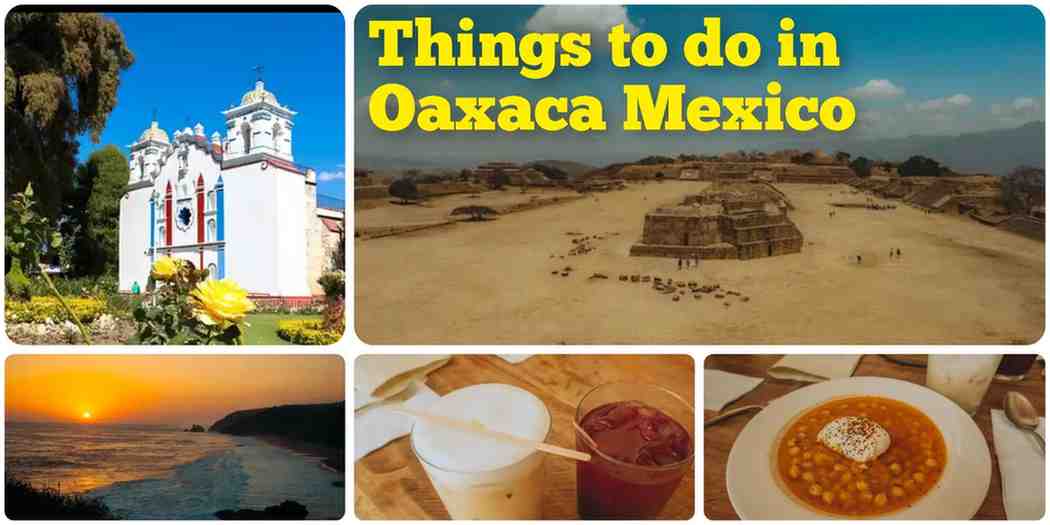
Oaxaca (pronounced wah-ha-ka) is the capital of Oaxaca State, located about 500 km from Mexico City and 250 km from Puerto Escondido and Mazunte. Known as the culinary capital of Mexico and the home of mezcal.
Oaxaca is famous for its Indigenous traditions, colorful streets, local markets, art, traditional cuisine, ancient ruins, and welcoming atmosphere. Surrounded by mountains and traditional villages, the city offers a unique blend of history, culture, nature, and adventure, making it one of Mexico’s most popular travel destinations.
Is Oaxaca Safe?
One of the most common questions travelers ask is whether Oaxaca is safe. The good news is that Oaxaca is considered one of the safest states in Mexico. Thousands of tourists visit every year and enjoy peaceful vacations.
Like any destination, visitors should stay aware of their surroundings, avoid carrying large amounts of cash, and respect local customs. Most travelers find Oaxaca welcoming, friendly, and comfortable for exploring on foot.

Things to Do in Oaxaca
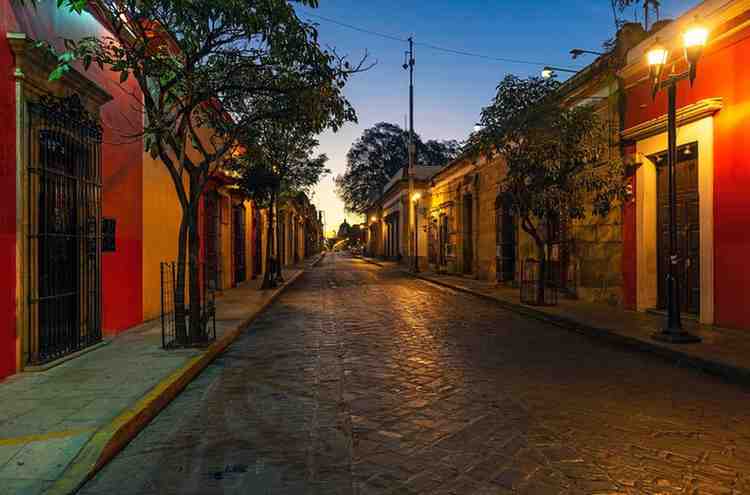
Oaxaca is a city that rewards wandering. Simply walking through the streets allows visitors to discover beautiful architecture, local shops, hidden cafes, and colorful murals. The following attractions are some of the best things to do in Oaxaca.
1. Walk from the Santo Domingo Church to the Zocalo
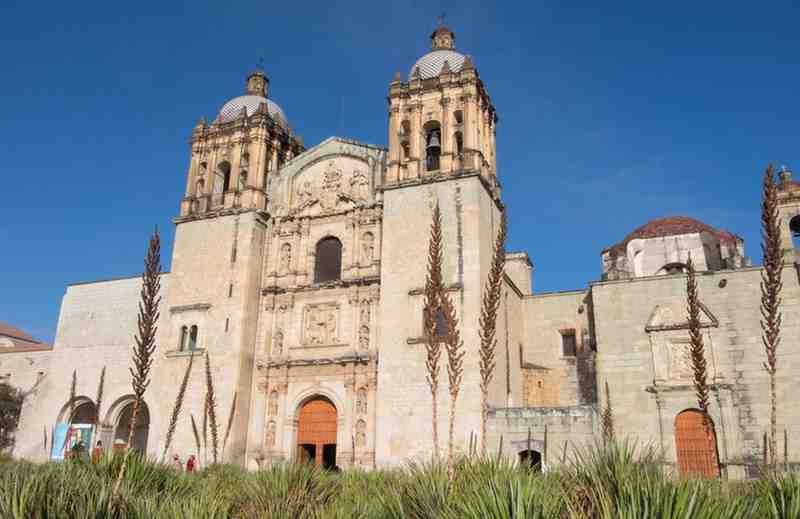
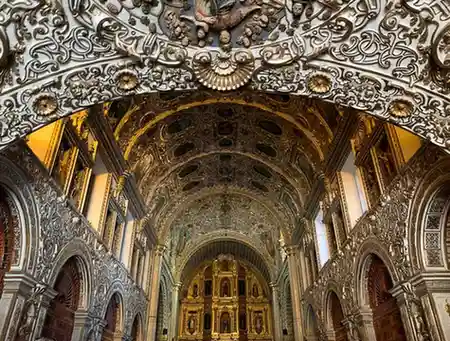
One of the best ways to start exploring Oaxaca is by walking from Santo Domingo Church to the Zocalo. This route passes through some of the city’s most beautiful streets.
Along the way, visitors can admire colonial buildings, browse local stores, enjoy street performances, and stop for traditional snacks. The atmosphere is lively throughout the day and especially beautiful in the evening.
2. People-Watch on the Zocalo
The Zocalo is the heart of Oaxaca. Families gather here, musicians perform, vendors sell snacks, and locals enjoy spending time together.
Many visitors enjoy sitting at a nearby café while watching daily life unfold. The square is filled with energy and provides a wonderful introduction to Oaxacan culture.
3. Hang Out at the Zocalo (Main Square)
The main square is not only a meeting place but also one of the most relaxing spots in the city. Travelers can enjoy local drinks, listen to live music, and take in the vibrant atmosphere.
The Zocalo perfectly represents the spirit of Oaxaca and should be visited multiple times during any trip.
4. Visit the Mercado 20 Noviembre
Mercado 20 Noviembre is one of the most famous markets in Oaxaca. It is a paradise for food lovers.
Inside the market, visitors can find traditional dishes such as tlayudas, tamales, mole, grilled meats, and local chocolate drinks. The famous meat hall is especially popular among travelers who want an authentic food experience. The market offers a true taste of local culture and daily life.
5. Eat and Shop Your Way Through the Markets
Oaxaca is known for its incredible markets. Besides Mercado 20 Noviembre, visitors can also explore Mercado Benito Juarez and many smaller markets throughout the city.
These markets sell handmade crafts, textiles, pottery, spices, and souvenirs. Walking through the stalls is a wonderful way to experience local traditions.
6. Check Off Your Oaxaca Food Bucket List
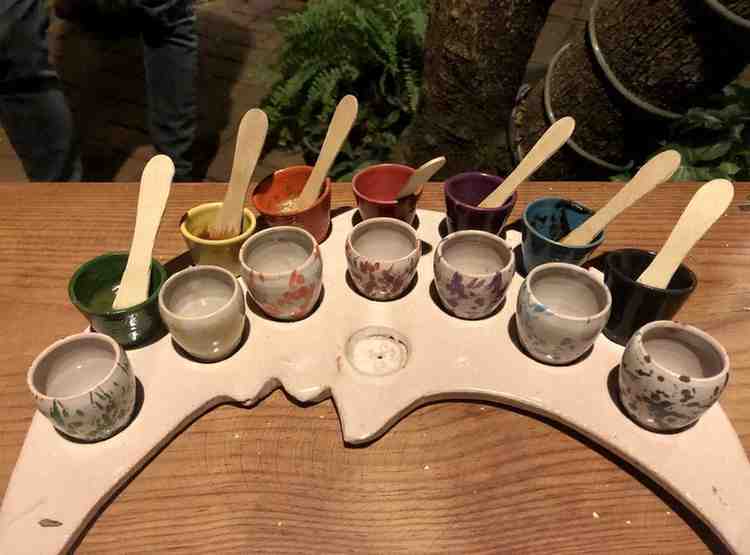
Food is one of the biggest reasons people visit Oaxaca. The region is famous throughout Mexico for its unique cuisine.
Travelers should try:
i) Tlayudas
Tlayudas are large crispy tortillas topped with beans, Oaxaca cheese, vegetables, salsa, and sometimes meat. They are one of Oaxaca’s most popular traditional foods.
ii) Mole
Mole is a rich sauce made with chilies, spices, nuts, and sometimes chocolate. It is often served with chicken and is a famous part of Oaxacan cuisine.
iii) Tamales Oaxaqueños
Tamales Oaxaqueños are corn dough parcels wrapped in banana leaves and filled with meat, mole, or vegetables. They are a traditional local favorite.
iv) Memelas
Memelas are thick corn tortillas topped with beans, cheese, salsa, and meat. They are commonly enjoyed as a tasty snack or breakfast.
v) Chapulines
Chapulines are toasted grasshoppers seasoned with chili, lime, and salt. They are a unique and traditional Oaxacan snack.
vi) Oaxacan Hot Chocolate
Oaxacan hot chocolate is a sweet drink made with cacao, sugar, and cinnamon. It is known for its rich flavor and frothy texture.
vii) Cafe de Olla
Cafe de Olla is traditional Mexican coffee brewed with cinnamon and piloncillo sugar, giving it a sweet and aromatic taste.
viii) Oaxaca Cheese
Oaxaca cheese is a soft, stretchy white cheese often used in tlayudas, quesadillas, and other traditional Oaxacan dishes.
Every meal becomes a cultural experience in Oaxaca.
7. Eat All the Oaxacan Food
Trying local dishes is one of the highlights of any visit. Many recipes have been passed down through generations and continue to play an important role in Oaxacan culture.
Restaurants, markets, and street vendors all offer opportunities to discover authentic flavors.
8. Explore Jalatlaco Neighborhood
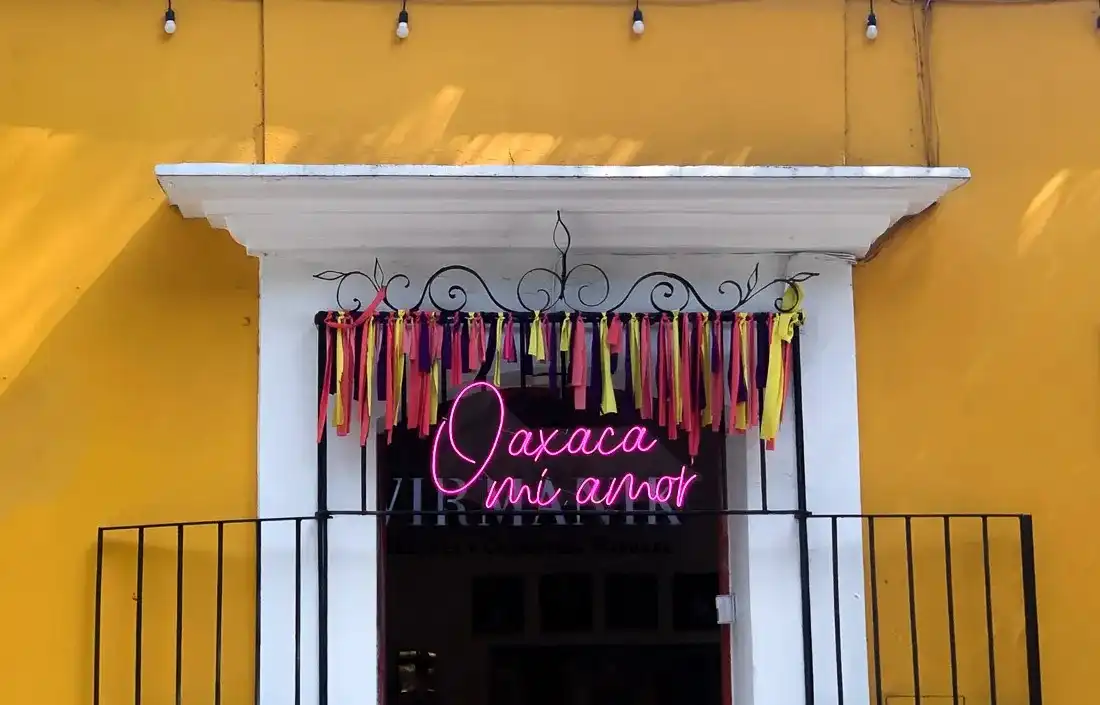
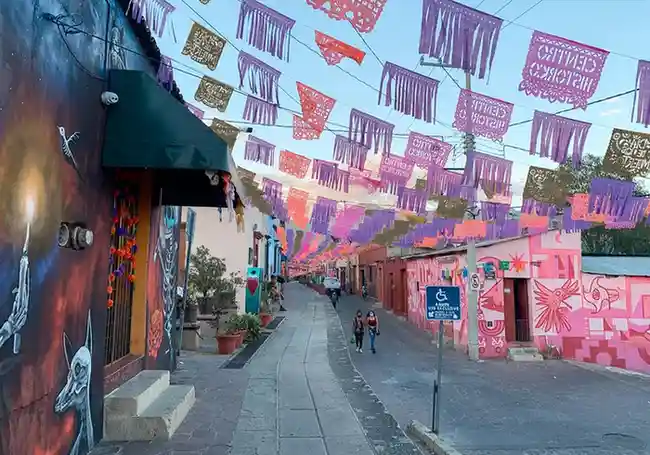
Jalatlaco is one of the most charming neighborhoods in Oaxaca. Cobblestone streets, colorful buildings, and beautiful murals make it a favorite area for photographers.
The neighborhood is filled with cafés, art galleries, boutique shops, and local restaurants. Walking through Jalatlaco feels like exploring an outdoor art museum.
9. Photograph the Street Art in Jalatlaco
Street art is everywhere in Jalatlaco. Large murals cover many walls and tell stories about local culture, traditions, and history.
Visitors often spend hours taking photographs and discovering new artwork around every corner.
10. Visit the Historic Monte Alban Ruins
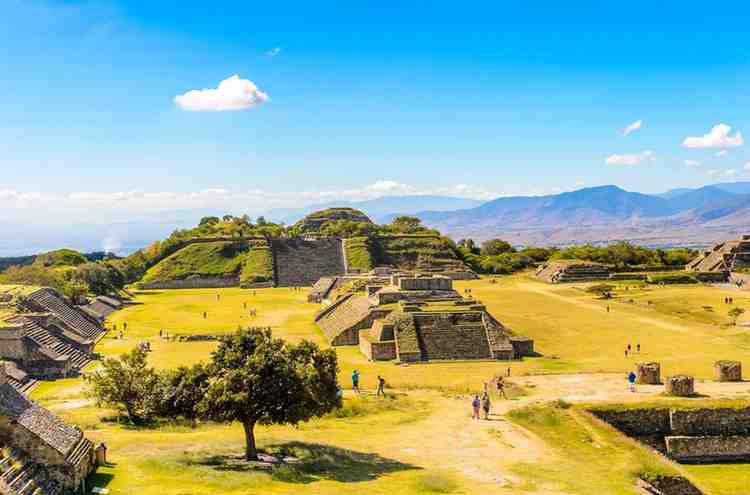
Monte Alban is one of the most important archaeological sites in Mexico. Built by the Zapotec civilization, the ruins sit on a hill overlooking the Oaxaca Valley. Visitors can explore ancient temples, plazas, and ceremonial structures while learning about the region’s history. The views from Monte Alban are breathtaking and make the trip even more memorable.
Monte Alban
Monte Alban is often considered the most important day trip from Oaxaca City. Arriving early is recommended because the site has limited shade. Hiring a guide can help visitors better understand the fascinating history behind the ruins.
11. Pochote Market
The Pochote Market is a popular local and expat-friendly market in Oaxaca held every Friday and Saturday in the garden courtyard of Iglesia Xochimilco. It offers a relaxed atmosphere where visitors can enjoy fresh, organic produce along with traditional Oaxacan and Mexican dishes, often with a modern or international twist.
It is also a great spot for vegetarians and vegans, as many stalls offer plant-based versions of classic foods. With live music, shady trees, and a peaceful church setting, it creates a calm and enjoyable morning experience away from the busy city markets.
12. Oaxaca Stamp Museum (Museo de Filatelia de Oaxaca)
The Oaxaca Stamp Museum (Museo de Filatelia de Oaxaca) may sound unusual at first, but it is actually a fascinating place full of historical value about Oaxaca and Mexico. It showcases rare stamps, letters, and collections that help tell the story of the country in a unique way.
Inside, visitors can also enjoy a peaceful courtyard, making it a calm escape from the busy city streets. The museum even includes special exhibits related to Frida Kahlo and offers interactive displays that are great for families and children. Best of all, entry is free, making it a hidden gem worth visiting in Oaxaca.
13. Learn at the Museum of Cultures of Oaxaca
The Museum of Cultures of Oaxaca offers a detailed look into the region’s past. Exhibits cover ancient civilizations, indigenous traditions, and historical artifacts. The museum is located in a beautiful historic building near Santo Domingo Church.
i) Visit Museo de las Culturas
This museum provides valuable context for understanding Oaxaca. Visitors learn about the people, cultures, and traditions that shaped the region. It is one of the most educational attractions in the city.
ii) Visit the Textiles Museum
The Textile Museum showcases Oaxaca’s rich weaving traditions. Visitors can see beautiful fabrics, intricate patterns, and examples of traditional craftsmanship.
The museum helps preserve important cultural knowledge while introducing travelers to local artistic traditions.
14. Take a Tour of the Botanical Garden
The Oaxaca Botanical Garden contains many native plants from the region. Guided tours explain how different plants have been used for medicine, food, and cultural practices.
The garden offers a peaceful escape from the busy city streets.
15. Jardin Etnobotanico de Oaxaca
This botanical garden is famous for its collection of desert plants and cacti. It also highlights the relationship between indigenous communities and nature.
Visitors gain a deeper appreciation for Oaxaca’s biodiversity and cultural heritage.
16. Take a Day Trip to Tree of Tule
The famous Tree of Tule is one of the widest trees in the world. It is estimated to be thousands of years old and remains an important symbol of the region.
The tree is located in a charming town that can easily be visited from Oaxaca City.
Tree of Tule
Standing in front of the massive tree is an unforgettable experience. Many visitors are surprised by its incredible size and unique shape. The surrounding area also offers markets, gardens, and local restaurants.
17. Day Trip to Hierve El Agua
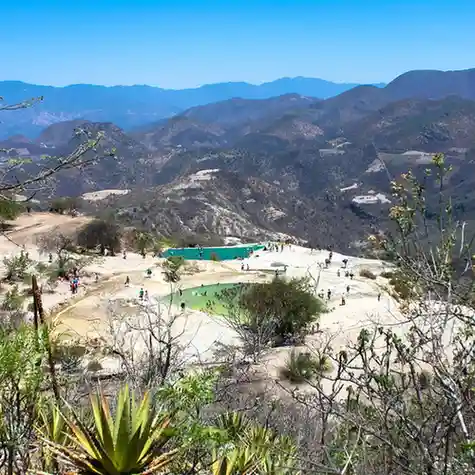
Hierve El Agua is one of Oaxaca’s most spectacular natural attractions. The site features mineral formations that look like frozen waterfalls.
Visitors can walk scenic trails, admire panoramic views, and swim in natural pools.
Hierve El Agua
This destination combines natural beauty with unique geological features. It is one of the most photographed places in Oaxaca and a must-see attraction.
18. Visit the Tlacolula Market (Indigenous Market)
The Tlacolula Market is one of the largest traditional markets in the region. It takes place on Sundays and attracts vendors from nearby villages.
Visitors can buy crafts, food, textiles, and handmade products while experiencing local culture.
19. Weaving Village
Teotitlan del Valle is famous for traditional weaving. Families create rugs and textiles using techniques that have existed for centuries.
Visitors can watch demonstrations and learn how natural dyes are made.
20. Teotitlan del Valle
This village is one of the best places to purchase authentic handmade textiles. Every piece reflects generations of skill and tradition.
21. Alebrijes Village
The village of San Martin Tilcajete is famous for colorful wooden sculptures called alebrijes. Artists spend countless hours carving and painting these imaginative figures. Visiting local workshops provides insight into the creative process.
22. Barro Negro Village
San Bartolo Coyotepec is known for barro negro, or black pottery. The village produces some of the most distinctive ceramic artwork in Mexico.
Visitors can meet artisans and watch traditional pottery techniques.
23. Mitla Archaeological Site
Mitla offers a different archaeological experience than Monte Alban. The site is famous for its geometric stone patterns and intricate designs.
History enthusiasts will enjoy learning about another important Zapotec settlement.
24. Do a Mezcal Tasting
Mezcal is one of Oaxaca’s most famous products. Many visitors participate in tastings to learn about the production process and different varieties.
The smoky flavor of mezcal makes it unique among Mexican spirits.
25. Try Some Mezcal (or Take a Tour to a Distillery!)
Distillery tours allow travelers to see how agave plants are transformed into mezcal. Guides explain every step of production while visitors sample different styles.
It is both an educational and enjoyable experience.
26. Eat at Humar
Seafood lovers should consider visiting Humar. The restaurant is known for fresh dishes, flavorful ceviche, and excellent service.
The rooftop atmosphere adds to the dining experience.
27. Eat at BEST El Pastor in Oaxaca
Oaxaca offers many fantastic taco spots. Restaurants specializing in al pastor tacos attract both locals and visitors looking for authentic flavors.
Fresh ingredients and traditional preparation methods make these meals memorable.
28. Sunset at Los Amantes
Los Amantes is a popular rooftop destination offering beautiful sunset views over Oaxaca.
Visitors can enjoy cocktails, local mezcal, and stunning city scenery as the sun goes down.
29. Get Great Coffee and Brunch at Marito and Mogel
Coffee culture is strong in Oaxaca. Marito and Mogel is known for quality coffee, fresh juices, and delicious brunch options.
It is a great place to relax after a morning of sightseeing.
30. Visit the La Cosecha Organic Market
Travelers looking for healthy food options often enjoy La Cosecha Organic Market.
Fresh produce, vegetarian dishes, and locally sourced ingredients make it a popular destination.
31. Treat Yourself to Dinner at Orijen
Orijen is known for creative dishes prepared with local ingredients. The restaurant highlights modern Oaxacan cuisine while respecting traditional flavors.
Dining here offers a special culinary experience.
32. Experience a Temazcal
A Temazcal is a traditional Indigenous steam bath that has been used for generations by local communities for relaxation, cleansing, and wellness. Participating in a Temazcal ceremony offers visitors a meaningful opportunity to learn about Oaxaca’s cultural traditions while enjoying a unique and memorable experience.
During the ceremony, participants enter a heated dome-shaped structure where steam, herbs, and guided rituals create a calming atmosphere. Some experiences may also include herbal treatments or traditional wellness practices. Prices generally start at around 500 pesos ($25 USD) per person for group sessions, while private experiences and additional treatments can cost 1,000–1,300 pesos ($51–66 USD). Due to limited availability, booking in advance is highly recommended.
33. Take a Mole and Mezcal Pairing Class
A mole and mezcal pairing class is one of the best ways to discover Oaxaca’s famous culinary traditions. Both mole and mezcal come in many varieties, and these tasting experiences allow visitors to compare flavors, ingredients, and preparation methods while learning about their cultural importance.
Oaxaca is famous for its mezcal culture, and the city is filled with stylish cocktail bars and traditional mezcalerías. Visitors can enjoy creative mezcal-based drinks while exploring the city’s vibrant nightlife and relaxed atmosphere. Whether you choose a well-known bar or discover a hidden local favorite, trying a few mezcal cocktails is a fun way to experience one of Oaxaca’s most famous traditions.
34. Book a Professional Photo Shoot
Oaxaca’s colorful streets, historic buildings, and vibrant culture make it a perfect place for a professional photo shoot. Hiring a local photographer allows visitors to capture high-quality photos at some of the city’s most beautiful locations.
Professional photo sessions are popular among solo travelers, couples, and families who want lasting memories of their time in Oaxaca.
35. Celebrate the Day of the Dead
Día de los Muertos (Day of the Dead) is one of Oaxaca’s most important and famous celebrations. Combining Indigenous and Christian traditions, the festival honors loved ones who have passed away through colorful altars, flowers, music, and special ceremonies.
The celebrations typically take place from October 31 to November 2, although parades and cultural events often begin in late October. As this is one of the busiest times of the year, visitors should book accommodations well in advance.
36. Eat at a Michelin Star Restaurant
Oaxaca is home to several highly regarded restaurants that receive international recognition.
Visitors can enjoy exceptional meals without the high prices often associated with fine dining in other countries.
37. Enjoy a Free Walking Tour
Walking tours help visitors understand Oaxaca’s history, architecture, and culture. Local guides often share stories and insights that travelers might otherwise miss.
38. Attend a Cooking Class
Cooking classes provide hands-on experiences with traditional Oaxacan recipes. Participants often visit markets, select ingredients, prepare dishes, and enjoy the meal together.
39. Taste the OG Hot Chocolate
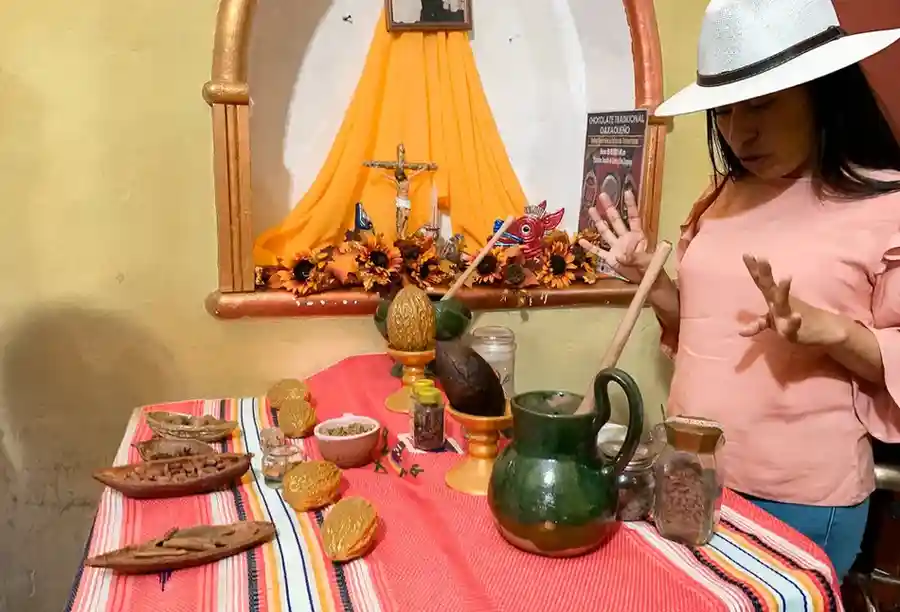
Cacao has been an important part of Oaxaca’s culture for centuries. In ancient times, cacao beans were so valuable that they were even used as a form of currency. Today, visitors can explore small chocolate shops throughout the city and learn how cacao is transformed into traditional chocolate products and drinks.
Many local shops offer demonstrations of the chocolate-making process, along with samples of handmade chocolate. Travelers can also join cacao workshops where they can create their own chocolate under the guidance of local experts. For a refreshing treat, try a Chocolate Frío, a cold chocolate drink that is especially popular on warm days. Another traditional option is tejate, a centuries-old beverage made from cacao, cacao flowers, and corn, which remains a favorite drink among Oaxaqueños.
40. Get a Sense for Oaxaca Through Street Art
Oaxaca’s vibrant street art offers a unique glimpse into the city’s history, culture, and community spirit. Many murals reflect important social issues, local traditions, and the experiences of the people who call Oaxaca home.
Exploring neighborhoods such as Jalatlaco and the historic center is a great way to discover these colorful artworks. Visitors can also join a street art tour to learn about the stories and meanings behind some of the city’s most impressive murals while gaining a deeper understanding of Oaxaca’s cultural identity.
41. Take a Bit of Oaxaca Home for Your Wall!
Oaxaca is well known for its thriving art scene, and visitors can find beautiful art prints, paintings, and handmade artworks throughout the city. Many local artists create unique pieces inspired by Oaxaca’s culture, traditions, and colorful landscapes, making them wonderful souvenirs to take home.
Even if you are not planning to buy anything, exploring the city’s galleries and art shops is a rewarding experience. Many of the best galleries are located near Santo Domingo Church, where visitors can admire impressive collections and gain a deeper appreciation for Oaxaca’s creative spirit.
42. Cleanse Your Inner Self with a Temazcal Sauna Ritual
A Temazcal is a traditional Indigenous steam bath experience that has been practiced in the region for centuries. The ceremony is designed to promote relaxation, reflection, and spiritual renewal while connecting participants with ancient cultural traditions.
During the ritual, visitors enter a small dome-shaped steam room where heat, herbs, and guided practices create a unique wellness experience. Many people describe the Temazcal as both physically refreshing and spiritually meaningful, making it one of the most memorable cultural activities in Oaxaca.This Temazcal experience usually costs around $65 USD for a solo session or $50 per person for two people, and it often includes a 30-minute door-to-door transfer to the sauna location outside the city. The experience is private, meaning the whole space is reserved for your booking, which makes it feel more personal and peaceful.
43. Leave the City for the Beach
One of the advantages of visiting Oaxaca is the easy access to the Pacific coast. Beautiful beaches offer a completely different atmosphere from the city and provide opportunities for relaxation and adventure.
44. Puerto Escondido (and Surrounding Areas!)
Puerto Escondido is famous for surfing, beaches, and vibrant coastal life. Nearby destinations such as Mazunte and Huatulco also attract travelers looking for beautiful scenery and ocean views.
45. Visit San Jose del Pacifico
Located in the mountains, San Jose del Pacifico is known for its natural beauty, hiking trails, and peaceful environment.
The cool climate and stunning landscapes make it a favorite escape from the city.
46. Visit the Oaxaca Lending Library
If you’re spending an extended time in Oaxaca, the Oaxaca Lending Library is a great place to visit. It offers a large collection of English-language books, magazines, and newspapers, along with comfortable reading areas, free Wi-Fi, and a rooftop seating space.
The library also hosts regular language exchange events, allowing visitors and locals to practice both English and Spanish. In addition, it serves as a useful community hub where travelers can find local information, upcoming events, and helpful tips about life in Oaxaca.
Travel Tip
Many of Oaxaca’s popular attractions, such as Hierve el Agua, El Árbol del Tule, and local mezcal distilleries, can be visited through organized day tours. These excursions are often convenient and cost-effective, making it easy to see several highlights in a single day without worrying about transportation.
47. Ixtlan de Juarez Mirador
This mountain viewpoint offers spectacular panoramas of the Sierra Norte region. Nature lovers appreciate the fresh air, scenic drives, and incredible landscapes.
48. Hike Auditorio Guelaguetza
For excellent city views, visitors can hike to the Auditorio Guelaguetza area. The viewpoint provides a great perspective of Oaxaca and the surrounding mountains.
Seasonal Festivals And Amazing Things to Do in Oaxaca
Oaxaca celebrates several important festivals throughout the year. These events showcase music, dance, food, traditions, and community spirit.
Festival season is one of the most exciting times to visit.
| Festival | Description |
| Dia de Muertos (Day of the Dead) | One of Oaxaca’s most famous celebrations, where the city comes alive with colorful decorations, parades, flowers, and cultural traditions that honor loved ones who have passed away. |
| Guelaguetza | A major cultural festival featuring traditional dances, regional costumes, music, and performances by Indigenous communities, showcasing Oaxaca’s rich heritage and diversity. |
| La Noche de Rábanos (Night of the Radishes) | A unique annual event where artists carve intricate sculptures from radishes, creating impressive displays that attract thousands of visitors each year. |
49. Ixtlán de Juárez Mirador
The Ixtlán de Juárez Mirador is a beautiful mountain viewpoint located in the Sierra Norte region near Oaxaca City. The surrounding mountains are stunning, offering fresh air, peaceful nature, and unforgettable panoramic views of the landscape.
This area is perfect for a day trip or overnight stay if you want to experience Oaxaca beyond the city. Even if you do not have your own transport, guided tours to Sierra Norte are available, often led by Indigenous guides, which makes the experience even more meaningful and culturally rich.
How Long Do You Need to Complete All the Things to Do in Oaxaca?
Most travelers find that 3 nights (around 4 full days) in Oaxaca is enough to see the main attractions, enjoy the food, and take at least one day trip outside the city. This amount of time also gives you space to relax, walk around the city, and enjoy the local atmosphere without rushing.
However, if you want to explore everything in detail, try many food experiences, visit nearby villages, and enjoy excursions at a slower pace, then staying 5 to 7 days is ideal. Oaxaca has so much culture, history, and cuisine that extra time always makes the experience more enjoyable and complete.
Where to Stay in Oaxaca
While exploring the many things to do in Oaxaca, it is important to stay somewhere comfortable where you can relax after a long day of sightseeing, food tours, and walking around the city.
Hotel Recommendations in Oaxaca
- Hotel Oaxaca Real : Very central location, close to main attractions, also has a pool for relaxing stays.
- Nana Vida Hotel : Quiet but still in the city center, offers a cozy atmosphere with traditional Oaxacan charm.
- El Mirador : Best choice for stunning views of the city and surrounding landscapes.
- Casa Xochitl : Located in the artsy Jalatlaco neighborhood, perfect for a creative and cultural vibe stay.
Where to Eat in Oaxaca
Oaxaca is widely regarded as one of Mexico’s top food destinations, offering everything from affordable market meals to outstanding fine dining experiences. Local markets are excellent places to try authentic Oaxacan dishes, while the city’s restaurants showcase both traditional recipes and modern culinary creativity.
Recommended Restaurants in Oaxaca
- Origen: A highly regarded fine-dining restaurant known for its creative dishes, elegant presentation, and tasting menus that highlight local ingredients.
- Los Danzantes: A popular restaurant offering modern Oaxacan cuisine in a beautiful courtyard setting. It is known for excellent food, great cocktails, and a relaxed atmosphere.
- Ancestral Cocina Tradicional: Famous for serving traditional Oaxacan cuisine, including the region’s renowned varieties of mole. The garden setting creates a memorable dining experience.
- Boulenc: One of Oaxaca’s favorite brunch spots, offering fresh pastries, artisan bread, hearty breakfasts, and both Mexican and international dishes in a trendy atmosphere.
Whether you prefer street food, traditional meals, or fine dining, Oaxaca offers unforgettable culinary experiences for every type of traveler.
Traveler Reviews of Oaxaca
Best Time to Visit Oaxaca
Oaxaca is a year-round destination thanks to its pleasant climate and valley location at an elevation of about 1,555 meters (5,102 feet). Visitors can enjoy warm days and cool evenings throughout most of the year.
The dry season runs from October to April, while the rainy season lasts from May to September. Even during the rainy months, mornings are often sunny with short afternoon showers. The hottest months are April and May, while November and December are usually the coolest.
For the best weather, consider visiting in October, November, February, or March, when temperatures are comfortable and rainfall is low. Travelers interested in festivals should visit during Día de los Muertos celebrations in late October and early November or the Guelaguetza Festival in July, one of Oaxaca’s most important cultural events.
How Do I Get to Oaxaca?
Oaxaca is well connected and can be reached in a few different ways depending on your budget and travel style. The most common option is the ADO bus service, which runs comfortable long-distance buses from major cities like Mexico City, Puebla, Veracruz, and Mérida. These buses are safe, affordable, and a popular choice for travelers arriving overland.
You can also fly into Oaxaca International Airport (Xoxocotlán), which offers limited domestic flights from cities such as Mexico City, Cancún, and Tijuana, along with a few international routes like Los Angeles and Dallas. From the airport or bus station, taxis and local transport make it easy to reach the city center quickly.
RV Park Recommendation in Oaxaca
El Rancho RV Park (El Tule, Oaxaca) A highly recommended RV stay option, especially for travelers bringing their own RV or fifth wheel. The drive to Oaxaca is generally smooth if you use toll roads, with highway conditions similar to the United States. However, traffic in Oaxaca City can get busy during rush hours, so arriving early in the morning is best.
This RV park is known as one of the best places to stay in Mexico for RV travelers, offering a comfortable and well-maintained environment. Many visitors appreciate the peaceful setting, friendly atmosphere, and convenience of staying close to the city while still enjoying a relaxed space.
For an amazing tour in Spain, check out this detailed Tenerife travel guide. Tenerife is famous for Teide National Park, beautiful beaches, scenic mountain villages, and year-round sunshine, making it one of Spain’s top destinations for travelers seeking adventure, nature, and relaxation.
What’s the Brief History of Oaxaca?
Oaxaca has a history spanning thousands of years and was home to the ancient Zapotec and Mixtec civilizations. The Zapotecs founded Monte Albán around 500 BCE, one of the most important cities in ancient Mesoamerica.
Following the Spanish conquest of Mexico in 1521, Dominican missionaries introduced Christianity and helped shape Oaxaca’s culture and architecture. Today, Oaxaca is known for its strong Indigenous heritage, diverse Indigenous languages, colonial churches, traditional crafts, renowned cuisine, and vibrant festivals, especially Día de los Muertos, celebrated on November 1 and 2.
Conclusion
Oaxaca is a destination filled with history, culture, food, art, and natural beauty. From exploring ancient ruins and colorful neighborhoods to tasting traditional dishes and visiting artisan villages, every day brings a new experience.
Whether you are interested in history, photography, food, festivals, or outdoor adventures, Oaxaca offers something unforgettable for every traveler. A visit to Oaxaca is more than a vacation. It is an opportunity to experience one of the most fascinating and culturally rich regions in Mexico.