30+ Best Things to Do in Maui, Hawaii
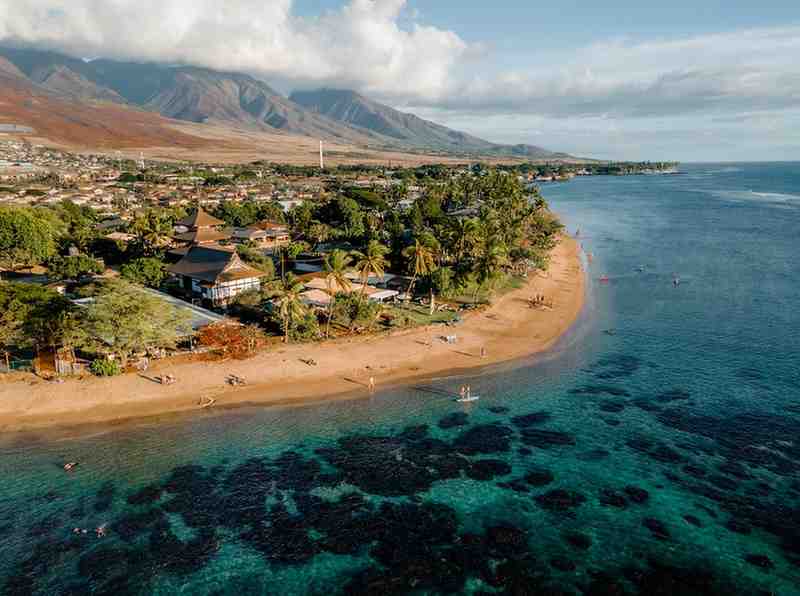
Maui, known as the “Valley Isle,” is a top Hawaiian destination offering beaches, waterfalls, volcanoes, rainforests, and outdoor adventures for all types of travelers.
Key highlights include Haleakalā National Park, famous for sunrise views above the clouds, and Ho’okipa Beach Park, known for sea turtles, surfing, and ocean scenery. Visitors also explore the Road to Hāna, bamboo forests, waterfalls, and black sand beaches.
Maui is especially popular with families and couples due to its mix of relaxing beaches, wildlife experiences, and cultural attractions. Overall, it is considered a dream destination combining adventure, relaxation, and natural beauty, making it one of the most popular islands in the United States.
Things to Do in Maui Hawaii
Maui offers unforgettable experiences for every type of traveler, including beautiful beaches, scenic drives, waterfalls, snorkeling spots, hiking trails, and family-friendly attractions. Whether visitors want relaxation or outdoor adventure, the island has activities for everyone.
The guide also shares travel tips, safety advice, and things to avoid for a smoother vacation. Before visiting Haleakalā National Park, travelers should know that entrance fees are required, and many visitors purchase park passes and outdoor essentials in advance from REI for added convenience.
Best Things to Do in Maui With Kids
Maui is a great family destination with many kid-friendly activities.
Families can enjoy safe swimming beaches like Baby Beach and Napili Bay, visit the Maui Ocean Center to see marine life, and go on snorkeling trips or whale watching (seasonal).
Scenic drives like the Road to Hāna offer waterfalls and easy stops, while traditional Hawaiian lūʻau provide music, dance, and local food experiences for kids.
Overall, Maui offers a fun mix of nature, adventure, and cultural activities for families.
Best Things to Do in Maui for Couples
Couples in Maui can enjoy a mix of romance, relaxation, and adventure. Highlights include watching the sunrise at Haleakalā National Park, taking sunset cruises, and dining at beachfront restaurants.
Romantic experiences also include exploring the Road to Hāna, snorkeling at Molokini Crater, helicopter tours, and walking along Kāʻanapali Beach.
1. Waiheʻe Ridge Trail
Distance: 4.4 miles / 7.1 km
Elevation Gain: 1,400 ft / 427 m
Waiheʻe Ridge Trail is one of the most scenic hiking trails in Maui, located in the beautiful West Maui Mountains near Wailuku and Kahului. The trail is famous for its lush green scenery, mountain views, and dramatic valleys, making it one of the island’s top hiking experiences. Because of its popularity, the hike can become crowded, and since the trail is mostly uphill and physically challenging, visitors are encouraged to plan ahead and start early for a quieter and more enjoyable adventure.
2. Haleakalā Bike Tour
Haleakalā National Park sunrise bicycle tours are considered one of the most unforgettable experiences in Maui. Many local tour operators provide easier access to the competitive sunrise reservation process, allowing travelers to enjoy a stress-free sunrise experience from the summit.
The adventure includes a scenic drive along the Haleakalā Highway, breathtaking sunrise views from the volcanic peak, and a long downhill bike ride through Upcountry Maui toward Kula, making it one of the island’s most unique activities.
3. Whale Watch tour
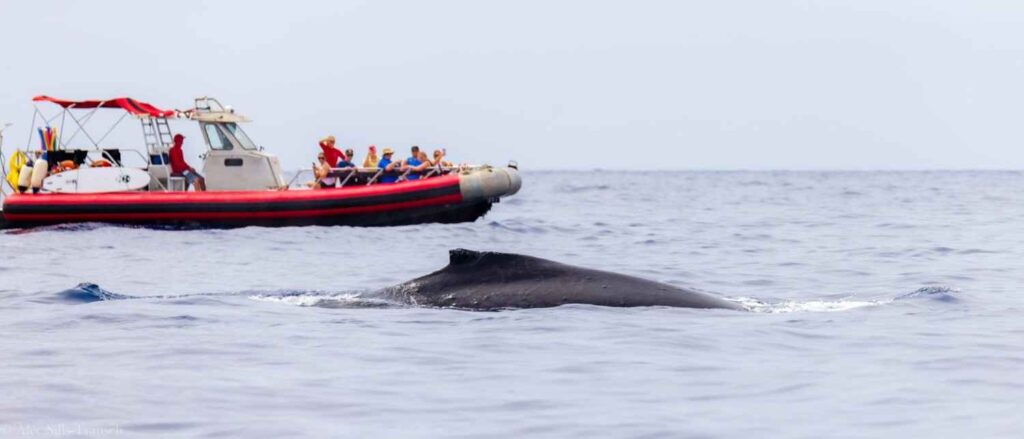
Whale watching is one of the most unforgettable activities in Maui and a popular bucket-list experience for visitors. From December to April, humpback whales migrate from Alaska to the waters around the Maui Nui Basin to mate and give birth.
Visitors can often see whales breaching from the shoreline, while whale-watching tours depart from Lahaina Harbor and Maalaea Harbor. Smaller tours from Hawaii Ocean Rafting offer a more up-close experience. Tour boats must stay at least 100 yards away from whales, and lucky visitors may witness breaching whales, tail slaps, and underwater whale songs.
4. Drive the Road to Hana (Hāna Highway)
One of the absolute highlights of visiting Maui is driving the famous Road to Hana along the Hana Highway. This iconic journey stretches about 50 miles through lush rainforests, waterfalls, tropical beaches, and breathtaking coastal viewpoints.
The drive includes 600+ sharp curves and nearly 60 one-lane bridges, making it both challenging and unforgettable. Because of the winding roads and scenic stops, it’s best to drive slowly and enjoy the journey rather than rush through it.
For first-time visitors, using apps like GyPSy Guide is highly recommended because it provides offline commentary, hidden stops, local history, and cultural insights throughout the trip.
Overall, the Road to Hana is not just a drive — it’s one of Maui’s most unforgettable adventures.
5. Go Snorkeling at Molokini Crater
One of the most memorable activities in Maui is snorkeling at Molokini Crater, often combined with sea turtle encounters in nearby waters.
Tours usually depart from Maʻalaea Harbor, with a 30–40 minute boat ride, followed by safety briefings before snorkeling begins. Many trips also include breakfast and refreshments.
Molokini Crater is famous for its clear water, calm conditions, and rich marine life, making it one of the top snorkeling spots in the world.
6. Explore the summit of Haleakalā National Park
A visit to Haleakalā National Park in Maui is often a bucket-list experience for travelers exploring the U.S. National Parks system.
One of the highlights of the park is reaching the summit of the volcano, where visitors can watch breathtaking sunrises or sunsets above the clouds. Many travelers plan their trip specifically for sunrise, but sunset views are just as stunning and often less crowded.
Important rules and tips for visiting:
- A valid U.S. National Parks Pass is required for entry.
- Sunrise visits require an advance reservation or booking through a guided tour due to limited access and high demand.
- If you are not visiting for sunrise, you can typically drive in during regular hours without a special reservation.
Overall, the park is much more flexible outside of sunrise hours, making it easy to explore its dramatic landscapes, volcanic views, and scenic drive at your own pace.
Weather at Haleakalā
Weather at the summit of Haleakalā National Park is very different from the beaches of Maui. At about 10,023 feet (3,055 m) above sea level, temperatures can feel freezing during early mornings and evenings, even when the island below is warm and sunny.
The summit is often 30–40°F colder than the coastline, so visitors should wear jackets, warm layers, and long pants despite being in Hawaii. The weather can also change quickly with clouds, wind, and cool air, creating a dramatic mountain experience
7. Helicopter Ride Around Maui
A helicopter tour over Maui is considered one of the most exciting and unforgettable ways to experience the island. Scenic flights allow visitors to see hidden valleys, dramatic cliffs, waterfalls, volcanic landscapes, and untouched coastlines that are difficult to access by road or hiking trails.
Doors-off helicopter tours are especially popular because they offer unobstructed panoramic views and a more thrilling experience. For photographers and adventure lovers, it’s a unique chance to capture rare aerial scenery from above.
One of the biggest advantages of flightseeing is the ability to explore large parts of Maui in a short time while enjoying breathtaking views that cannot be experienced any other way.
8. Makamakaʻole Falls Trail (13 Crossings)
Distance (Roundtrip): 2.0 miles / 3.2 km
Makamakaʻole Falls, also known as “13 Crossings,” is a scenic waterfall hike located off Kahekili Highway near the famous Waiheʻe Ridge Trail.
This adventure is considered more of a local-style hike because it follows the stream through a gulch rather than a maintained hiking trail. Visitors should be aware that gulch hiking in Hawaii can be more challenging and potentially dangerous due to slippery rocks, falling debris, and sudden flash floods during rainy weather.
Parking in the area can also be limited, so planning ahead and checking current conditions before visiting is highly recommended. Despite the challenges, the lush scenery and waterfall views make this one of Maui’s hidden outdoor adventures.
9. Colleen’s at the Cannery
Colleen’s at the Cannery is considered one of the best local breakfast spots in Maui. Located near Paia in the peaceful town of Haiku, it’s a popular stop before visiting the Road to Hana, Haleakalā National Park, or the Polipoli Spring State Recreation Area.
The restaurant is known for generous portions, delicious local-style meals, and a relaxed atmosphere. It also stays open later than many nearby restaurants, making it a great option after a Haleakalā sunset adventure.
10. Hoʻokipa Beach
Ho’okipa Beach Park on the north shore of Maui is one of the best places to see Hawaii’s native green sea turtles (Honu).
Visitors must remember that the beach is strictly for observing wildlife from a respectful distance. It is illegal to touch, approach, feed, or disturb sea turtles on the sand or in the water. The area is closely monitored to protect these endangered animals, and violations can lead to serious fines or legal action.
By following wildlife rules and giving turtles plenty of space, visitors can safely enjoy one of Maui’s most memorable natural experiences.
11. Hāna Inn (Joe’s Place)
When exploring the famous Road to Hana, many travelers recommend staying at least one night in Hana to enjoy the area without rushing. An overnight stay allows visitors more time to explore attractions like Waiʻānapanapa State Park, Kaihalulu Red Sand Beach, and the Kīpahulu District.
Although Hana is known as one of the more expensive places to stay on the island, travelers looking for a more budget-friendly option often choose Hana Inn, formerly known as Joe’s Place, for a comfortable overnight stay.
12. Hāna Ranch Restaurant
Hana is a small and peaceful town in East Maui known for its relaxed atmosphere and limited dining options. Since many restaurants operate with shorter hours, travelers staying overnight are encouraged to plan meals ahead of time.
Among the local favorites, Hana Ranch Restaurant is considered one of the best dinner spots in town. It’s especially popular for its scenic outdoor seating, laid-back island atmosphere, and relaxing dining experience after exploring the famous Road to Hana.
13. Oneʻuli Black Sand Beach (Mākena)
Makena State Park is home to several beautiful beaches, but one of the most unique is Oneʻuli Black Sand Beach. This smaller black sand beach is known for its peaceful atmosphere and is usually much less crowded than the park’s more popular beach areas.
Another advantage of visiting Oneʻuli is that it can be accessed without the parking fees required at some of the larger nearby beach lots, making it a great option for travelers looking for a quieter and more budget-friendly beach experience in Maui.
14. Molokai Sea Cliffs Helicopter Tour (Maui)
Helicopter tours in Maui are usually offered in two main types. Some flights stay over Maui, showcasing landmarks like Haleakalā Crater, the lush Hana rainforest, and the West Maui Mountains.
Other tours fly from Maui to the island of Molokai, where travelers can see some of the world’s tallest sea cliffs, along with hidden valleys, remote waterfalls, and rugged coastline. These Molokai cliff flights are considered one of the most exclusive and unforgettable aerial experiences, offering scenery that is nearly impossible to reach by land.
15. Haleakalā Summit (Sunrise & Sunset)
Watching sunrise from the summit of Haleakalā National Park, famously known as the “House of the Sun”, is considered one of the most unforgettable experiences in Maui.
Because sunrise is extremely popular and parking is limited, visitors must secure an advance reservation to enter the park before sunrise. Travelers who cannot get a reservation often choose guided sunrise tours (including Haleakalā bike tours) or visit during sunset hours when reservations are not required.
The summit sits at over 10,000 feet (3,048 m) above sea level, so temperatures can be surprisingly cold, especially early in the morning or after sunset. Conditions may include strong winds, freezing temperatures, and even occasional snowfall, so warm clothing and checking the weather forecast before visiting are highly recommended.
16. Pāʻia Fish Market
Paia Fish Market is one of the most popular seafood spots in Maui, loved by both locals and visitors for its fresh fish, generous portions, and flavorful island-style dishes.
Originally opened in the charming North Shore town of Paia, the restaurant has grown to multiple locations across the Hawaiian Islands. Still, many travelers recommend visiting the original Paia location for the full experience.
Beyond the food, Paia itself is worth exploring, offering boutique shops, laid-back island vibes, beautiful beaches, and a perfect stop before beginning the famous Road to Hana adventure.
17. Waikamoi Falls (Haipuaʻena)
Waikamoi Falls (also known as Haipuaʻena Falls) is a stunning waterfall located near the famous Road to Hana, close to the Waikamoi Ridge Trail on the way toward Keʻanae. A short rainforest trail along the Waikamoi Stream leads visitors to this hidden and scenic waterfall.
⚠️ Important Safety Warning:
Streams along the Hana Highway can be highly unpredictable and may experience sudden flash floods, especially during heavy rainfall. Even if conditions seem clear locally, rain in higher elevations can quickly cause water levels to rise.
Because of this, exploring waterfalls and streams along the Hana route requires extreme caution. Visitors should avoid fast-moving water, stay alert to changing conditions, and always prioritize safety over adventure.
18. Waiʻānapanapa State Park
Waiʻānapanapa State Park, located just north of Hana, is one of the most scenic coastal spots in Maui. It is famous for its dramatic black sand beach, lava cliffs, sea caves, and peaceful camping areas, making it a popular stop along the Road to Hana.
Due to overcrowding, the park now operates on an advance reservation system for most visitors.
Who Needs a Waiʻānapanapa Parking Reservation?
i) Hawaiʻi Residents:
Residents with a valid Hawaiʻi State ID can generally enter the park without an advance reservation and enjoy most areas, excluding campsites and cabins.
ii) Visitors (Non-Residents):
All non-resident visitors must book an advance reservation for entry and parking. These reservations are limited and often sell out quickly, so planning ahead is essential.
Travelers who prefer a simpler option can also visit through guided Road to Hana tours, which often include access to Waiʻānapanapa State Park along with other major stops on the route.
Please note that accompanying Hawaiʻi residents does not exempt visitors from reservation or entry requirements.
19. Road to Hāna Tour
Having driven the Road to Hana many times through Maui, it can feel overwhelming to plan every stop, especially with advance reservations required for places like Waiʻānapanapa State Park.
For a stress-free experience, many travelers choose guided tours that handle all logistics, including park reservations and timing. These tours are led by local guides who know the best viewpoints, hidden stops, and key highlights along the famous 51-mile (82.1 km) coastal drive.
It’s an easy way to enjoy the Road to Hana without worrying about planning, reservations, or driving challenges, so visitors can simply focus on the scenery and experience.
20) Lāhainā Pali Trail
Distance (East): 5.0 miles / 8.0 km
Distance (West): 4.6 miles / 7.4 km
The Lāhainā Pali Trail is a historic hiking route on Maui that dates back to the 1800s, once used to connect West Maui with the island’s central valley.
Today, the trail is split into two main sections the East and West routes each offering a different hiking experience depending on conditions and views. Both sides are popular with hikers, but they vary in difficulty, scenery, and overall atmosphere.
The West side is especially popular for its dramatic coastal views and is often considered one of the best sunset hiking spots on the island. During the winter months, it also becomes a great shoreline location for spotting humpback whales.
Best Airbnbs in Maui
Maui offers a variety of Airbnb stays depending on your travel style.
- Kīhei & Wailea (South Maui): Best for beaches, convenience, and affordable oceanfront condos.
- Kāʻanapali & Kapalua (West Maui): Ideal for luxury resorts and ocean views.
- Upcountry (Makawao & Kula): Great for peaceful, nature-filled retreats and cool weather.
- Paia & Haiku (North Shore): Best for a local, surf-town vibe and jungle-style stays.
Many visitors also choose to split their stay between regions to experience different parts of the island.
21. The Cinnamon Roll Place
The Cinnamon Roll Place is a well-known mom-and-pop bakery in South Maui that has been serving fresh, warm cinnamon rolls since 1981. It’s a popular local favorite in Maui, especially for breakfast or a sweet treat while exploring the island.
Because the rolls are baked in fresh batches throughout the day, visitors often wait around 10–15 minutes, but many say it’s worth it for the soft, warm, freshly glazed cinnamon rolls. Located in Kihei, it’s an easy and delicious stop when exploring South Maui beaches and attractions.
22. Upper Waikani Falls
Upper Waikani Falls is a well-known waterfall stop along the famous Road to Hana in Maui, often admired for its scenic triple waterfall view and popular as a photo stop in East Maui.
However, access is now more limited due to private property concerns, “no parking” signs, and restricted entry areas. Visitors should be respectful of local rules, avoid blocking driveways, and never park in unsafe locations.
If viewing the falls from the roadside, it’s important to be extra careful because the road is narrow with blind curves and very limited pedestrian space. Safety and awareness are essential while enjoying the scenery.
23. Ulupalakua Ranch Store & Grill
Ulupalakua Ranch Store & Grill is a charming upcountry stop in Maui where visitors can enjoy casual burgers and drinks while taking in the cool mountain air and scenic outdoor seating views.
Located in the historic Ulupalakua ranch area, it is part of a long-standing ranching tradition in Maui and is also connected to land stewardship and conservation efforts in Hawaiʻi.
Beyond the food, visitors can explore the surrounding property featuring native Hawaiian plants and open landscapes, making it a relaxing and scenic stop while exploring upcountry Maui.
24. Polipoli-Redwood Loop Trail
Distance: 4.9 miles / 7.9 km
Kula Forest Reserve, often referred to as Polipoli, is one of the most scenic hiking areas in upcountry Maui. It features a network of interconnected trails that can be combined into longer loop hikes, offering a mix of forest scenery, ridge views, and cool mountain air.
One of the most popular routes is the Polipoli–Haleakalā Ridge–Plum–Redwood Loop Trail, which showcases diverse landscapes, including towering eucalyptus trees and sections of redwood forest, an unexpected sight in Hawaiʻi.
Because of its remote location and limited access, the Kula Forest Reserve is less frequently visited by tourists, making it a quieter and more adventurous hiking experience. However, conditions can vary, so proper planning and preparation are strongly recommended before attempting any trails in the area.
25. Kula Bistro
Kula Bistro is one of the best breakfast and brunch spots in upcountry Maui, especially convenient when traveling to or from the Summit District of Haleakalā National Park.
It’s a cozy local favorite where visitors enjoy a relaxed meal in the cool upcountry air. While the breakfast and brunch menu is especially popular, the lunch options—especially paninis—are also highly recommended. Overall, it’s known for consistent flavor, comfort food, and a perfect stop during Maui adventures.
26. ʻŌhai Loop Trail
Distance: 1.2 miles / 1.9 km
ʻŌhai Loop Trail is a short and easy coastal hike in Maui, located off the scenic Kahekili Highway on the way toward Kaanapali. It offers beautiful ocean views and a chance to experience a native Hawaiian coastal landscape.
The trail is often compared to the Kaʻena Point Trail because of its exposed shoreline setting and natural beauty. It is also an important habitat for native and endangered coastal plants, including the rare ʻŌhai species the trail is named after.
Overall, it is a scenic and educational hike, offering a peaceful opportunity to explore Hawaiʻi’s native coastal ecosystem in a quiet natural setting.
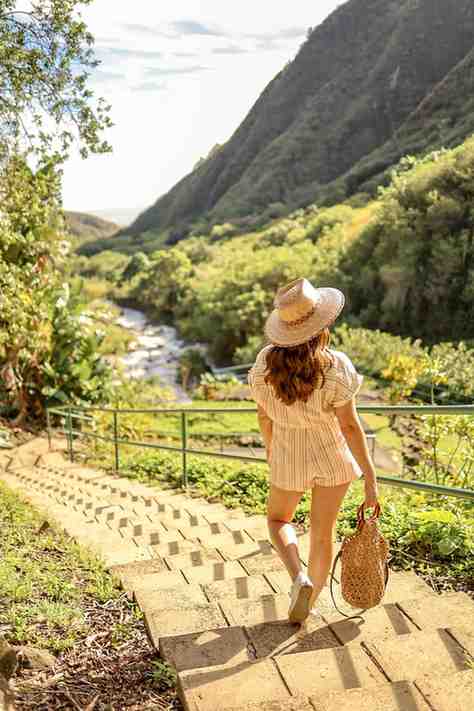
27. ʻĪao Valley State Monument
ʻĪao Valley State Monument is one of the most scenic and culturally significant sites in Maui, located in the lush West Maui Mountains. It is best known for Kūkaʻemoku (ʻĪao Needle), a dramatic green-covered rock formation rising from the valley floor.
Due to past overcrowding, the site now uses a managed access system, and visitors usually need advance reservations for parking and entry to help protect the environment and its cultural importance.
Overall, ʻĪao Valley offers a short but stunning visit, featuring easy walking paths, panoramic mountain views, and a deep connection to Hawaiian history and heritage.
Who Needs an ʻĪao Valley Parking Reservation?
Access to ʻĪao Valley State Monument in Maui is now managed through a reservation system to help reduce overcrowding and protect the natural environment.
Hawaiʻi Residents
Residents can generally enter without an advance reservation by showing a valid Hawaiʻi State ID at the entrance. They are allowed to park and explore the monument area, but standard rules and access limits still apply.
Visitors (Non-Residents)
Non-resident visitors must book an advance parking reservation to enter ʻĪao Valley State Monument, but availability is limited due to high demand.
Alternatively, guided tours can provide access to ʻĪao Valley State Monument without needing separate reservations.
Being accompanied by a Hawaiʻi resident does NOT waive entry or reservation requirements.
28. ʻĪao Valley Tableland Trail (‘Secret’ Trail)
Distance: 3.4 miles / 5.5 km
Beyond the main viewpoints of ʻĪao Valley State Monument, there is a lesser-known “Tableland Trail” or “secret trail” that goes deeper past the Kūkaʻemoku (ʻĪao Needle) area.
It is a challenging and steep hike, suitable only for experienced and well-prepared hikers, with uneven and demanding terrain.
Most visitors prefer the main viewpoints for scenic views, while the deeper trail offers a more remote and adventurous experience for those seeking a tougher hike.
29. Kaihalulu Red Sand Beach (Hāna)
Distance: 0.5 miles / 0.8 km
Kaihalulu Red Sand Beach in Hana is one of the most unique beaches in Maui and is known as Hawaii’s only red sand beach. Its striking color, shaped by the surrounding volcanic cinder cliffs, makes it a rare and dramatic coastal destination.
Although the hike to reach the beach is relatively short, it is considered challenging and potentially dangerous. The trail involves narrow paths along steep and unstable terrain with significant exposure, so caution is essential for anyone considering the visit.
For most travelers, it is recommended to carefully research conditions beforehand and prioritize safety, as the terrain can be unpredictable despite the short distance.
30. Vanta Café
Vanta Cafe is a popular local breakfast spot in Maui, especially in the central town of Wailuku. It’s a cozy, no-frills café that’s well known for serving tasty breakfast options, quality coffee, and generous portion sizes at affordable prices.
Because of its central location, it’s a convenient stop before heading out on adventures around the island. Many travelers and locals alike enjoy it as a reliable place to fuel up before exploring different parts of Maui.
31. Hosmer Grove Trail
Distance: 0.5 miles / 0.8 km
Hosmer Grove Trail is a short, easy nature walk in Haleakalā National Park, best known for birdwatching native and endemic Hawaiian species.
It provides a rare opportunity to see birds found nowhere else in the world in a protected habitat.
The trail offers a peaceful forest experience and is suitable for most visitors, making it a great stop for a quick, educational nature walk compared to the higher summit areas.
32. Pīpīwai Trail (Waimoku Falls)
Distance: 3.8 miles / 6.1 km
Pīpīwai Trail, located in the Kīpahulu District on Maui’s east side, is a moderately easy and highly rewarding hike in Haleakalā National Park.
It passes through lush bamboo forests and tropical scenery, ending at Waimoku Falls (400 ft / 122 m), one of Maui’s tallest waterfalls.
The Kīpahulu District has separate entry requirements from the summit area, so visitors must keep a valid park pass or proof of entry.
The America the Beautiful Pass can be used for access to multiple U.S. national parks and is often available at retailers like REI.
33. Private Maui Guide
Hiking in Hawaii can be more comfortable and enjoyable with a local guide.
Guided tours can be adjusted to your fitness level, experience, and comfort, and guides can also recommend suitable routes if you already have a hike in mind.
Overall, they offer a safer and more informative way to explore trails and help you get the best experience from your hiking trip in Hawaii.
34. Kūloa Point Trail (ʻOheʻo Gulch)
Distance: 0.7 miles / 1.1 km
Kūloa Point Trail is a short coastal hike in the Kīpahulu District on Maui’s east side within Haleakalā National Park.
It passes through culturally significant sites, waterfalls, pools in the ʻOheʻo Gulch area, and ends at a rugged volcanic coastline.
The trail offers a mix of natural beauty and cultural importance, making it a great complement to the nearby Pīpīwai Trail.
Together, these trails showcase a lush, coastal side of the park, very different from the summit, and give visitors a well-rounded Kīpahulu experience.
35. Buying Local Hawaiian Coffee
While Hawaii is best known for Kona coffee, visitors often find that other local options are just as high quality.
100% Maui coffee from Maui Coffee Company is popular for its smooth, island-grown flavor and is widely available in stores like Safeway and Target.
It is often compared with 100% Kauaʻi coffee and Kona coffee from the Big Island, each offering a distinct regional taste.
Overall, Maui coffee is considered a strong competitor among Hawaii’s locally produced coffees, though preferences vary by flavor and roast.
36. Haleakalā Wilderness Cabins
Within Haleakalā National Park, there are three remote wilderness cabins inside the crater that can be reserved through the National Park Service for overnight stays.
These permits are highly competitive and very difficult to secure, often requiring booking many months in advance due to limited availability.
Backcountry access is mainly via the Keoneheʻeheʻe (Sliding Sands Trail) and Halemauʻu Trail, both offering dramatic volcanic landscapes and crater exploration.
37. Mākena Beach
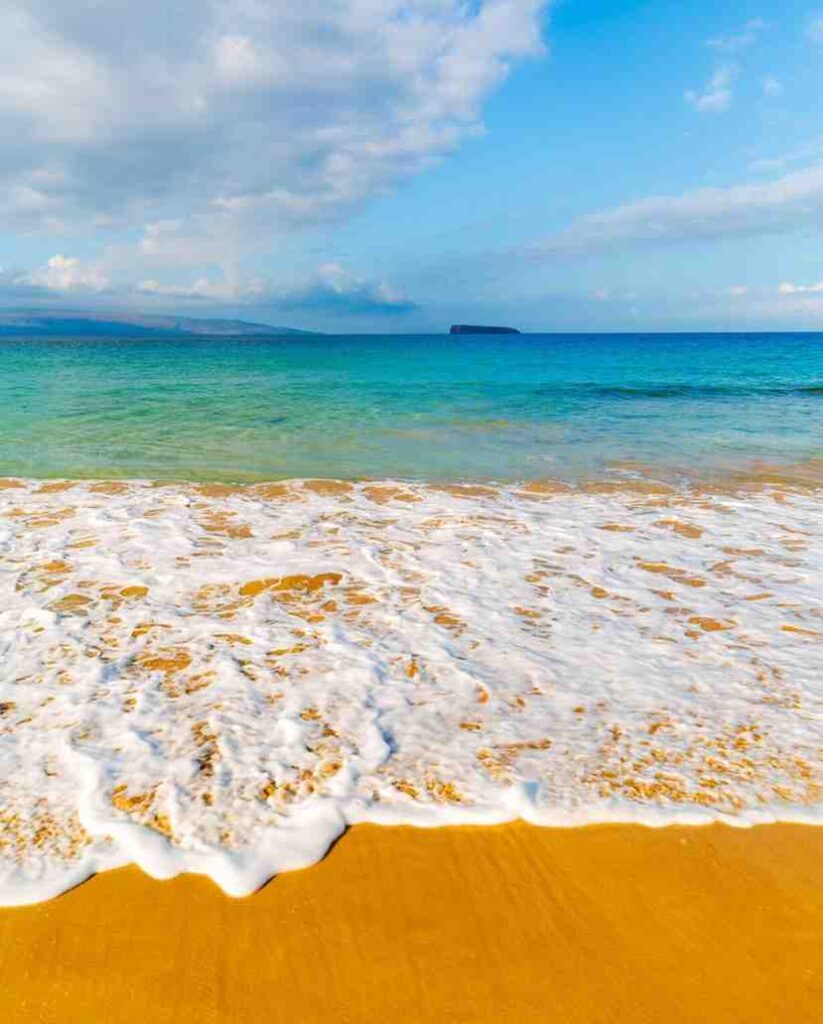
Makena Beach State Park is a beautiful South Maui beach area known for its wide sandy shoreline, clear blue water, and uncrowded feel, making it popular for swimming, sunbathing, and sunsets.
It includes Big Beach (Oneloa Beach), which is more family-friendly, and Little Beach, which has a more relaxed atmosphere and is known as an unofficial nude beach.
Overall, visitors are advised to choose the section that matches their comfort level, as the park offers different beach experiences in one location.
38. Amigo’s (Mexican Restaurant)
Amigo’s is a popular Mexican restaurant in Kahului, Maui, conveniently located for travelers exploring the island. It is known for flavorful Mexican dishes, refreshing drinks, and a diverse menu suitable for groups.
Because of its central location near major routes and the airport area, it’s a convenient stop before or after island trips and activities.
39. The Maui Butterfly Farm
Hawaii has two endemic butterfly species that are found nowhere else in the world, but they are currently at risk due to invasive ants and habitat loss.
On Maui, conservation efforts such as those by Maui Butterfly Farm focus on education and protecting native insect habitats.
Native butterflies are rarely seen in lower areas like Olowalu (West Maui), but visiting these conservation efforts helps visitors understand Hawaii’s fragile ecosystems and support biodiversity protection.
40. Maui Coffee Attic
Maui Coffee Attic is a popular coffee shop in central Maui (Wailuku) known for its cozy, relaxed atmosphere and appeal to both locals and travelers.
Its central location makes it a convenient stop before trips to places like the Waiheʻe Ridge Trail, Road to Hana, and ʻĪao Valley State Monument.
Overall, it’s a great early-morning coffee spot for starting island adventures.
41. Poʻolenalena Beach
Poʻolenalena Beach is a peaceful South Maui beach located between Kīhei and Wailea-Makena, known for its wide golden sand shoreline and scenic sunset views.
It is typically less crowded than nearby beaches, offering a more relaxed atmosphere away from resort areas. It is also considered a convenient alternative to Makena-area parks, with no out-of-state parking fee requirement in many cases.
Overall, it’s a great spot for swimming, walking, and enjoying a quiet sunset experience in South Maui.
42. Keʻanae Arboretum Trail
Distance: 1.0 miles / 1.6 km
Keʻanae Arboretum Trail is an easy and accessible short hike along the Road to Hana near Keʻanae. It offers a peaceful walk through lush tropical forest and is known for its educational plant collections, including both native and introduced species, along with insights into traditional Hawaiian agriculture in the surrounding valley.
The trail is well-maintained, easy to navigate, and free to explore, making it a simple stop compared to many other Hana Highway attractions.
Overall, it’s a quick, relaxing, and educational break for travelers looking to experience a quieter side of the Road to Hana.
43. Waioka Pond (Venus Pool)
Waioka Pond (Venus Pool) is a lesser-known coastal natural pool located between Hāna and the Kīpahulu District in Maui, known for its calm waters and dramatic ocean scenery.
Visitors sometimes come for swimming and cliffside views, but access involves passing near private property, so it requires respectful and careful behavior.
Important guidelines include avoiding noise, not littering, and parking responsibly in designated areas.
Overall, it is a beautiful but sensitive location, and visitors are encouraged to act responsibly to help preserve it for locals and future travelers.
44. Drive the Kahekili Highway
Kahekili Highway is a narrow, winding 21.5-mile coastal road in West Maui connecting Wailuku to the Kapalua–Kāʻanapali area.
It is known for being more challenging than the Road to Hāna, with tight turns, one-lane sections, and dramatic cliffside views, making it best suited for experienced drivers.
The route provides access to several attractions and hikes such as the Waiheʻe Ridge Trail, Makamakaʻole Falls, and ʻŌhai Loop Trail.
Overall, it offers a rugged, scenic, and less tourist-heavy driving experience through West Maui.
45. Maui Lūʻau
A lūʻau in Hawaii is a traditional cultural celebration that many visitors in Maui consider experiencing, though most are tourist-focused rather than fully local events.
Many popular lūʻau are located along the South Shore of Maui, making them easy to reach from resort areas.
They typically feature Hawaiian food, music, storytelling, and hula performances, offering a memorable way to experience Hawaiian culture during a visit.
46. Take Part in a Mālama Program
Several “Mālama” programs in Hawaii let visitors give back during their trip by supporting environmental conservation efforts like beach cleanups, native tree planting, and habitat restoration.
In Maui, initiatives such as those by the Pacific Whale Foundation provide cleanup kits (gloves, bags, instructions) so visitors can easily collect litter at beaches at their own pace. Collected waste can later be returned to designated drop-off points like Maʻalaea Harbor.
Overall, Mālama programs are a flexible, family-friendly way to explore Maui while helping preserve its natural environment.
47. Maui Ocean Center
Maui Ocean Center is a family-friendly aquarium near Maʻalaea Harbor that lets visitors explore Hawaiʻi’s marine life without snorkeling or entering the ocean.
It features large tropical aquariums, coral reef displays, and interactive touch pools, where visitors can safely see marine creatures like sea stars up close. The center also includes educational exhibits and immersive experiences, such as 3D presentations about seasonal humpback whales in Hawaiʻi.
Overall, it is a relaxing indoor attraction, especially popular with families, offering an up-close look at ocean life in a comfortable setting.
48. See the Nakalele Blowhole
Nakalele Blowhole is a West Maui natural attraction where waves force water through lava rock, creating dramatic ocean sprays. It involves a short but rocky and slippery hike, so caution and proper footwear are needed.
Visitors should stay back from the edge, as the area can be very dangerous due to strong waves.
49. Enjoy Poke and Fresh Fish in Maui
Poke is a popular Hawaiian dish made with fresh raw fish (usually ahi tuna) seasoned with soy sauce, sesame oil, and seaweed.
In Maui, it’s widely available at markets, grocery stores, and local fish shops, known for its fresh and high-quality flavor.
It’s a must-try and iconic island food often enjoyed throughout a visit..
50. Play Golf in Maui
Maui is known for scenic golf courses with ocean views, mountain backdrops, and resort-style layouts. It’s best to book tee times early, especially in peak seasons, as they fill quickly.
Top courses are mainly in West Maui (Kāʻanapali and Kapalua areas) and are known for coastal scenery and challenging play.
Overall, golfing in Maui combines the game with the island’s natural beauty and dramatic landscapes.
51. Dragons Teeth (Makaluapuna Point)
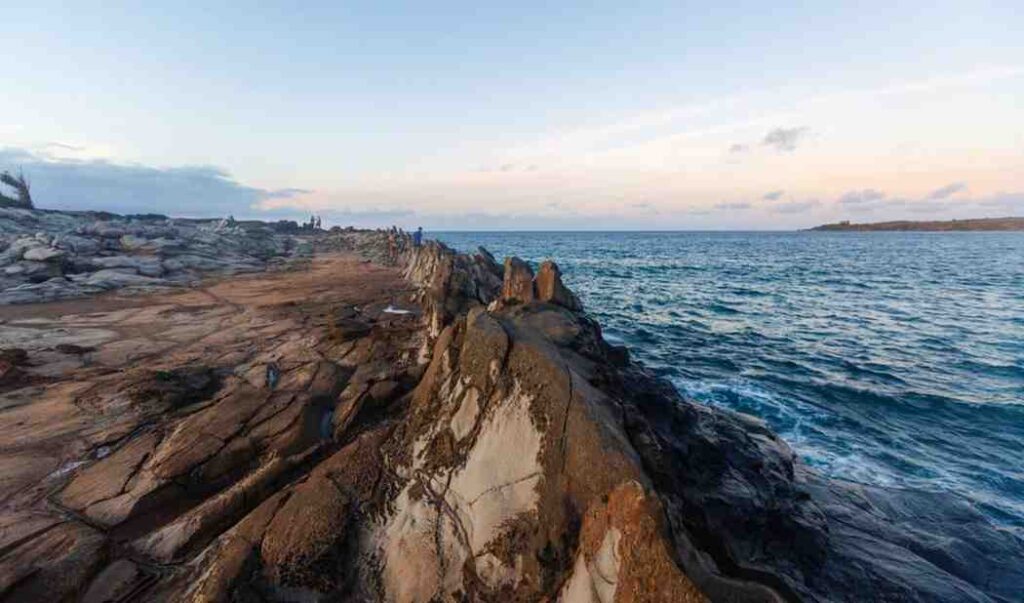
Makaluapuna Point (Dragon’s Teeth) is a short and scenic coastal walk in Kapalua, Maui, known for its jagged lava rock formations shaped by wind and waves, resembling “dragon’s teeth.”
It is an easy and quick walk, ideal for a casual stroll or sunset viewing, with ocean views and coastal scenery along the way.
Overall, it’s a simple but striking stop, especially when exploring the Kapalua area of West Maui.
52. Snorkeling at Baby Beach in Lahaina
Baby Beach (Lahaina) is a calm, protected beach near Lahaina with shallow, clear water ideal for beginner snorkeling and families.
It’s known for tropical fish, sea turtles, and gentle conditions created by an offshore reef. Visitors must keep distance from sea turtles and avoid disturbing wildlife.
Why am I Recommending these Maui Tours?
Booking activities through Viator gives travelers the benefit of a reserve-now-and-pay-later option, allowing them to secure tours in advance and still cancel later if plans change. Guided tours in Maui can be more convenient and family-friendly than exploring alone, and some of the island’s best experiences are only accessible through organized tours rather than independent travel.
Maui Weather
Maui has warm tropical weather year-round, making it a great travel destination in every season. The dry season (April to October) is the busiest and best time for beaches, snorkeling, hiking, and outdoor adventures because of the sunny skies and calm weather. The rainy season (November to March) often offers lower hotel and flight prices outside the Christmas and New Year holidays. During this season, waterfalls flow more strongly, the landscapes become greener and more vibrant, and the tropical forests and flowers feel especially fresh.
Where to Stay in Maui with Kids
Most families visiting Maui stay in one of three main areas: Northwest Maui, Southwest Maui, or Northern Maui. Each region offers something different depending on your budget and travel style.
I) Northwest Maui
Areas like Lahaina, Kaanapali, and Napili are popular for luxury resorts, beautiful beaches, and family-friendly vacation rentals. Resorts such as Sheraton Maui Resort & Spa and The Ritz-Carlton Maui, Kapalua are located here. Napili is especially great for a quieter family stay with sea turtles, whale watching, and stunning sunsets.
ii) Southwest Maui
Kihei and Wailea offer more affordable accommodations and easy beach access. Families love the nearby beaches like Kamaole Beach Park I, Kamaole Beach Park II, and Kamaole Beach Park III for swimming, snorkeling, and boogie boarding.
iii) Northern Maui
Staying near Kahului is a good option for travelers looking for a quieter and more affordable area. It’s close to Kahului Airport, the Road to Hana, Haleakalā National Park, and scenic spots like Baldwin Beach Park.
Things to Do on Maui, Hawaiʻi Public Reviews:
Best Restaurants & Eateries in Maui
i) Mama’s Fish House
A world-famous fine dining experience known for ultra-fresh seafood, oceanfront views, and high-end island cuisine. Reservations are essential.
ii) Merriman’s Maui
A romantic ocean-view restaurant featuring locally sourced farm-to-table dishes and a relaxed upscale atmosphere.
iii) Hali’imaile General Store
A historic plantation-era restaurant serving creative Hawaiian-inspired dishes with a strong farm-to-table focus.
iv) Leoda’s Kitchen and Pie Shop
A casual favorite known for handmade pies, sandwiches, and comfort food using locally sourced ingredients.
v) Kihei Food Trucks
A casual dining area with multiple food trucks offering everything from tacos to seafood, perfect for a quick and affordable meal.
What to Pack for Hawaii
Maui has warm weather year-round, but conditions can vary depending on elevation and season. Packing smart helps you stay comfortable across beaches, hikes, and upcountry areas.
Essentials include:
- Swimsuits (you’ll use them constantly)
- Lightweight shorts (denim + linen)
- Water shoes for waterfalls and rocky hikes
- Comfortable sandals or flip-flops for walking
- Dressier sandals for evenings out
- High-SPF sunscreen (reef-safe preferred)
- Sun hat for beach and hikes
- Light tops and breathable basics
- Flowy dresses for warm weather comfort
- Activewear sets for hiking and exploring
My Hawaiʻi Hiking Checklist (Must-Haves)
Here are the essentials I always recommend for hiking in Hawaii:
- Osprey Hydraulics Reservoir 3L: reliable hydration system, easy to refill and long-lasting
- Blister/heel protectors: prevents painful blisters on long hikes
- Black Diamond Storm 450 Headlamp: bright, durable, and great for early/late hikes
- Hiking shoes: rugged boots or trail runners depending on terrain
- Waterproof rain shell: keeps you dry in sudden weather changes
- High-SPF sunscreen: essential for strong Hawaiian sun
What NOT to Do in Hawaii
- Never leave valuables visible in rental cars (break-ins can happen)
- Don’t leave bags unattended on beaches
- Keep distance from wildlife (turtles, seals, birds) and never touch them
- Respect nature no harassment or crowding for photos
- Try not to stand out as an obvious tourist in remote areas
- Stay on trails and avoid damaging native plants
Respect Nature in Hawaii
Hawaii’s ecosystems are unique many native plants exist nowhere else in the world. Always stay on marked paths and minimize impact while exploring.
History of Maui
Maui was first settled over 1,000 years ago by Polynesian voyagers, who brought Hawaiian culture, traditions, and agriculture.
According to legend, the island was created by the demigod Māui, giving the island its name.
Before Western contact, it was ruled by Hawaiian chiefs (aliʻi) and known for its fertile valleys and farming. In the 1800s, sugarcane plantations introduced by Westerners reshaped the island’s economy.
Today, Maui blends Native Hawaiian heritage with modern tourism while preserving many cultural and natural landmarks.
Conclusion
Exploring Maui is a mix of adventure, nature, and culture, from rainforests and volcanic peaks to beaches and scenic drives.
Activities include hiking waterfalls, snorkeling, and enjoying local food, offering something for every traveler. It’s important to pack properly, respect wildlife, and travel responsibly to help protect the island.
Overall, Maui is best experienced slowly and mindfully, allowing its natural beauty to be fully appreciated.
FAQs about Visiting Maui
I. When is the best time to visit Maui?
April to October is best for sunny weather, while November to March is quieter and greener.
II. Do I need a rental car in Maui?
Yes, a rental car is highly recommended because attractions are spread across the island.
III. Is the Road to Hana worth it?
Yes, Road to Hana is one of Maui’s most scenic drives with waterfalls, beaches, and rainforest views.
IV. Do I need reservations for Haleakalā sunrise?
Yes, advance reservations are required for sunrise at Haleakalā National Park.
V. Are beaches in Maui free to visit?
Most beaches are free, but some parks may require parking fees or reservations.
VI. Is snorkeling good in Maui?
Yes, spots like Molokini Crater and Honolua Bay offer excellent snorkeling with clear waters and marine life.
VII. What should I pack for Maui?
Swimsuits, sunscreen, hiking shoes, light clothing, water shoes, and a rain jacket are essential.
VIII. Is Maui safe for tourists?
Yes, but basic safety steps like securing valuables and respecting nature are important.
IX. Can I see sea turtles in Maui?
Yes, especially at beaches like Ho’okipa, but you must keep a respectful distance.
X. What food is Maui known for?
Maui is famous for poke, fresh seafood, shaved ice, and farm-to-table Hawaiian cuisine.